
Working in Australia, What Employers Are Actually Looking For
Many people want to work in Australia, but most information online makes it sound either too easy or impossible. One side says anyone can get hired quickly. The other side says Australia only wants highly educated professionals. The real situation sits somewhere in the middle.
Australia hires foreign workers every year, not out of kindness, but because many jobs cannot be filled locally. If you understand how the job market works and where the real demand is, your chances improve a lot. This post focuses only on jobs, not complicated visa theory, and explains things in very simple language.
Why Australia Hires Workers From Overseas
Australia has three big problems affecting its workforce.
First, the population is aging. Many skilled workers are retiring faster than new ones are being trained.
Second, young Australians often avoid physically demanding or regional jobs.
Third, the country is large, and many towns struggle to attract workers.
Because of this, employers are allowed to hire foreign workers when they cannot find locals. Immigration is not random. It is driven by labour shortages.
How the Australian Job Market Really Works
Australia does not hire foreigners for every job. Employers focus on roles where shortages are real and ongoing.
Jobs become open to foreign workers when:
-
Employers advertise locally and get no suitable applicants
-
The role requires skills that are hard to replace
-
The job is in a regional or rural area
-
The industry is critical to the economy
If a job does not meet these conditions, sponsorship is unlikely.
Jobs Foreigners Get Hired For the Most
Not all jobs have equal chances. Some roles consistently hire overseas workers because shortages are serious.
Construction and Trade Jobs
Construction is one of Australia’s strongest industries, and it depends heavily on skilled workers.
Common roles include:
-
Carpenters
-
Electricians
-
Plumbers
-
Welders
-
Painters
-
Bricklayers
-
Construction labourers
These jobs focus on hands on skills, safety awareness, and experience. Many do not require university degrees. Trade certification or proven experience matters more.
Regional construction companies are especially open to hiring foreigners.
Care and Support Worker Jobs
Australia has a growing elderly population, and care services are under pressure.
High demand roles include:
-
Aged care workers
-
Disability support workers
-
Home care assistants
-
Personal care aides
These jobs value patience, compassion, and reliability. Formal education is often less important than training and experience. Many employers provide on the job training.
Care work offers stable employment and long term demand.
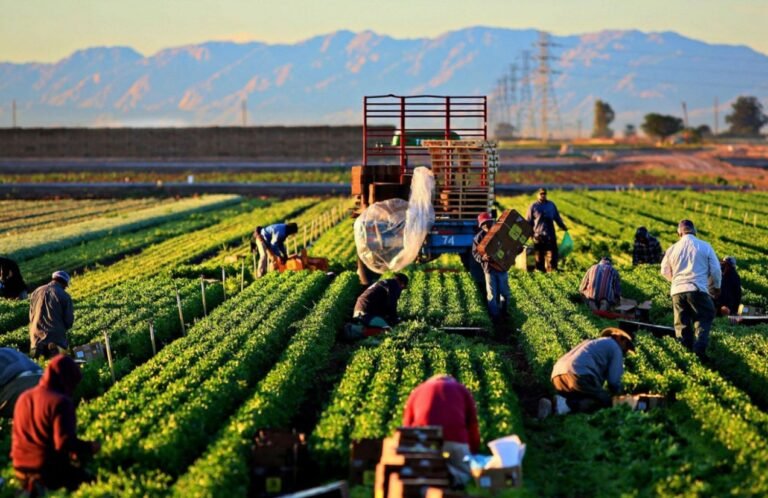
Farming and Agricultural Jobs
Australia produces large amounts of food and relies on foreign labour to keep farms running.
Common roles include:
-
Farm hands
-
Fruit and vegetable pickers
-
Dairy farm workers
-
Livestock assistants
-
Greenhouse workers
These jobs are usually in regional areas and often come with accommodation support. Physical fitness and willingness to work outdoors matter more than certificates.
Agriculture is one of the easiest entry points for foreign workers.
Truck Driving and Transport Jobs
Australia is a large country, and goods must travel long distances.
In demand roles include:
-
Long haul truck drivers
-
Delivery drivers
-
Bus drivers
-
Warehouse loaders
-
Logistics support workers
Truck driving is especially important in regional areas. Licensing is required, but a university degree is not. Experienced drivers are highly valued.
Hospitality and Food Industry Jobs
Restaurants, hotels, and tourism businesses depend heavily on migrant workers.
Common roles include:
-
Chefs
-
Cooks
-
Bakers
-
Kitchen assistants
-
Hotel housekeeping staff
-
Café supervisors
Back of house roles are often easier for newcomers. Regional tourist towns have strong demand, especially during peak seasons.
Manufacturing and Factory Jobs
Manufacturing continues to play a key role in Australia’s economy.
Employers often hire for:
-
Machine operators
-
Production workers
-
Assemblers
-
Packaging staff
-
Process workers
These jobs usually involve shift work and strict safety rules. Reliability and attention to detail are more important than formal education.
Cleaning and Maintenance Roles
Cleaning jobs exist in almost every sector.
Examples include:
-
Office cleaners
-
Industrial cleaners
-
Hospital cleaning staff
-
Facility maintenance workers
These roles are entry friendly and often filled by foreign workers, especially in cities and industrial areas.
Jobs That Rarely Sponsor Foreign Workers
It is just as important to know what does not work.
Jobs that rarely sponsor include:
-
Entry level office administration
-
Retail cashier roles
-
General customer service jobs
-
Marketing roles without local experience
These positions usually have enough local applicants.
How Employers Hire Foreign Workers Legally
Australian employers must follow a legal process to hire from overseas.
In simple terms:
-
The employer proves they cannot find local workers
-
The employer applies to sponsor a foreign worker
-
The job and salary must meet government standards
-
The worker applies for the visa
-
The worker starts work only after approval
This process protects both sides.
What Employers Look For in Foreign Workers
Employers are practical. They care less about big titles and more about results.
They look for:
-
Relevant work experience
-
Willingness to work full time
-
Good attitude and reliability
-
Basic communication skills
-
Respect for safety rules
If you can show these clearly, your chances improve.
Step by Step: How to Improve Your Chances of Getting Hired
Step 1: Be Honest About Your Skills
Do not exaggerate your experience. Australian employers often verify work history.
Focus on:
-
What you can actually do
-
How many years you have worked
-
Tools or equipment you can use
Honesty builds trust.
Step 2: Target the Right Locations
Regional areas have:
-
Less competition
-
More shortages
-
More employers open to sponsorship
Being flexible about location increases success.
Step 3: Apply Directly to Employers
Use:
-
Company career pages
-
Trusted job boards
-
Industry specific recruitment sites
Avoid agents who promise guaranteed jobs.
Step 4: Prepare a Clear and Simple CV
Your CV should:
-
Be easy to read
-
Focus on experience and skills
-
Avoid unnecessary information
-
Show work history clearly
Australian employers prefer straightforward CVs.
Step 5: Prepare for Interviews
Interviews may be online.
Employers usually ask:
-
About your experience
-
Why you want the job
-
If you understand the work conditions
-
If you are willing to relocate
Clear and calm answers matter more than perfect English.
Can Jobs Lead to Long Term Stay in Australia?
Yes, many do.
Australia has pathways where:
-
Work experience counts
-
Regional work is rewarded
-
Employers support long term employment
-
State nomination becomes possible
Many permanent residents started on temporary work visas.
Benefits of Job Based Migration to Australia
Using jobs as your entry route offers real advantages.
-
Faster entry than waiting for points
-
Real income from the start
-
Australian work experience
-
Better understanding of life in Australia
-
More realistic pathway for many people
This approach is practical, not theoretical.
Challenges You Must Be Prepared For
There are also challenges.
Common ones include:
-
Temporary visa pressure
-
Physically demanding work
-
High living costs in some cities
-
Strict workplace safety standards
-
Adjusting to Australian work culture
Planning ahead makes these manageable.
Common Mistakes That Ruin Chances
Avoid these mistakes:
-
Paying for fake job offers
-
Using unlicensed agents
-
Applying for jobs you are not qualified for
-
Ignoring visa conditions
-
Expecting instant permanent residence
Most failures happen because of poor decisions, not lack of opportunity.
Who This Route Is Best For
Job based migration works best for people who:
-
Are willing to work hard
-
Have practical skills
-
Are flexible about location
-
Want real opportunities
-
Think long term
It is not suitable for people looking for shortcuts.
Final Reality Check
Australia hires foreign workers because it needs them, not because immigration is easy. If your skills match demand and you follow the rules, opportunities exist.
Success comes from understanding the job market, choosing the right roles, and being patient. Many people fail because they chase the wrong jobs. Many succeed because they focus on what Australia truly needs.
Conclusion
Getting hired in Australia as a foreigner is possible, but only if you approach it realistically. Jobs drive immigration, not the other way around.
If you focus on in demand roles, target the right regions, and present yourself honestly, working in Australia can become a real opportunity rather than just a dream.