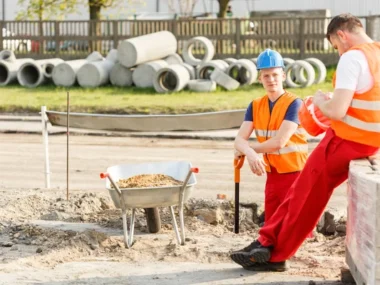
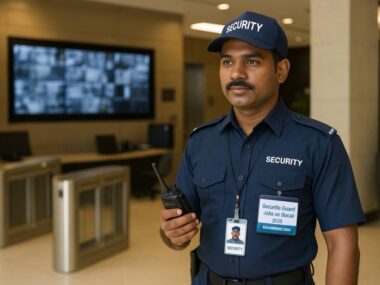
Germany is one of the strongest economies in Europe, but many people do not know that it also hires unskilled and low skilled workers from abroad. These jobs may not require university degrees or advanced qualifications, but they are essential to keeping the country running.
If you are looking for a realistic way to work in Germany, this post explains everything in very simple language. We will focus only on unskilled work, how it works, where the jobs are, and what you need to know before applying.
What Unskilled Work Means in Germany
In Germany, unskilled work usually means jobs that do not require a university degree or professional license. Training is often provided on the job, and experience is sometimes more important than certificates.
These jobs are not illegal or informal. They are real, paid roles with contracts, worker rights, and legal protection under German law.
Why Germany Needs Unskilled Workers
Germany has a serious labour shortage, especially in roles that involve physical work or shift work. Many young Germans prefer office jobs, and the population is aging.
Because of this, employers struggle to fill roles in factories, warehouses, farms, cleaning services, and care support. To solve this problem, Germany allows employers to hire foreign workers, including those without high qualifications.
Common Unskilled Jobs Available in Germany
Unskilled jobs exist across many sectors, and demand is steady.
Factory and Warehouse Jobs
Germany is a manufacturing powerhouse. Factories and warehouses hire large numbers of workers for roles such as:
-
Production assistants
-
Assembly line workers
-
Packaging staff
-
Warehouse pickers and loaders
-
Machine helpers
These jobs usually involve shift work and repetitive tasks. Training is provided, and experience is often not required at the start.
Cleaning and Janitorial Jobs
Cleaning roles are widely available in:
-
Offices
-
Hospitals
-
Schools
-
Factories
-
Hotels
Typical roles include cleaners, night cleaning staff, and industrial cleaners. These jobs are common entry points for foreign workers and exist in every major city.
Agriculture and Farm Work
Germany relies on foreign labour for farming and food production.
Common roles include:
-
Farm helpers
-
Fruit and vegetable pickers
-
Greenhouse workers
-
Meat processing assistants
Some of these jobs are seasonal, but many workers return year after year or move into longer term contracts.
Hospitality and Kitchen Support Jobs
Hotels, restaurants, and catering companies hire unskilled workers for back of house roles such as:
-
Kitchen assistants
-
Dishwashers
-
Food preparation helpers
-
Hotel housekeeping staff
These jobs are practical, fast paced, and usually do not require formal education.
Care and Support Roles
Some care related roles do not require full nursing qualifications.
Examples include:
-
Care assistants
-
Elderly support workers
-
Disability support helpers
Basic training is provided, but patience and reliability are very important. These roles are growing due to Germany’s aging population.
Do You Need German Language Skills
Language requirements depend on the job.
For many unskilled roles:
-
Basic German is enough
-
Some employers accept no German at the start
-
Simple workplace words are often taught on the job
However, learning basic German greatly improves your chances of getting hired and makes daily life easier.
Can You Work Without Experience
Yes, many unskilled jobs in Germany do not require previous experience.
Employers focus on:
-
Willingness to work
-
Physical ability
-
Reliability and punctuality
-
Ability to follow instructions
If you are consistent and hardworking, employers are often willing to train you.
How Employers Hire Foreign Unskilled Workers
German employers must follow legal procedures.
In simple terms:
-
The employer offers a real job
-
They prove they need workers
-
The job meets salary and condition standards
-
You apply for the appropriate work visa
You should never pay for a job offer. Legitimate employers do not sell jobs.
Step by Step: How to Get an Unskilled Job in Germany
Step 1: Identify the Type of Work You Can Do
Be honest about what you can handle. Some jobs are physically demanding and involve long shifts.
Ask yourself:
-
Can I work standing for long hours?
-
Can I do repetitive tasks?
-
Am I open to shift work?
This helps you choose the right role.
Step 2: Look for Legitimate Job Offers
Use trusted sources such as:
-
Employer websites
-
Official job portals
-
Licensed recruitment agencies
Avoid social media job offers that ask for money.
Step 3: Check Visa Requirements
Unskilled workers usually need:
-
A valid job offer
-
A work visa or residence permit
-
Health insurance
-
Accommodation details
Visa rules depend on your nationality and job type.
Step 4: Apply for the Work Visa
Once you have a job offer:
-
You apply at the German embassy
-
You submit documents
-
You attend an interview if required
Processing times vary, so patience is important.
Step 5: Travel and Start Work
After approval:
-
You travel to Germany
-
You register your address
-
You start work under your contract
German labour law protects all workers, including foreigners.
Working Conditions and Rights
Unskilled workers in Germany have legal rights.
These include:
-
Written contracts
-
Minimum wage protection
-
Paid holidays
-
Regulated working hours
-
Workplace safety rules
Germany has strict labour laws, and exploitation is taken seriously.
Cost of Living Reality
Living costs depend on the city.
Big cities like Berlin, Munich, and Frankfurt are more expensive. Smaller towns and rural areas are cheaper and often where unskilled jobs are available.
Many workers save more by living outside major cities.
Can Unskilled Work Lead to Long Term Stay
Yes, in some cases.
If you:
-
Keep a stable job
-
Learn basic German
-
Follow visa rules
-
Gain experience
You may qualify for visa extensions or other residence options later. Germany increasingly supports long term workers who contribute to the economy.
Challenges You Should Be Honest About
Unskilled work is not easy.
Common challenges include:
-
Physical exhaustion
-
Shift work and night shifts
-
Language barriers at first
-
Cultural adjustment
Being mentally prepared makes a big difference.
Common Mistakes People Make
Avoid these mistakes:
-
Paying for fake job offers
-
Working illegally
-
Ignoring visa conditions
-
Refusing to learn basic German
-
Changing employers without permission
These mistakes can lead to visa refusal or removal.
Who Unskilled Work in Germany Is Best For
This route suits people who:
-
Want legal entry into Europe
-
Are ready to work physically
-
Do not have university degrees
-
Are patient and disciplined
-
Want gradual progress
It may not suit people looking for fast money with minimal effort.
Reality Check Before You Apply
Ask yourself:
-
Am I ready for physical work?
-
Can I follow strict rules?
-
Am I willing to learn basic German?
-
Can I adapt to a new culture?
Honest answers help you decide wisely.
Conclusion
Unskilled work in Germany is real, legal, and in demand. While these jobs may not be glamorous, they provide a genuine opportunity to work, earn, and build a future in one of Europe’s strongest economies.
With the right expectations, legal process, and willingness to work hard, unskilled jobs can be a practical starting point. For many people, Germany offers not just work, but stability and long term opportunity.